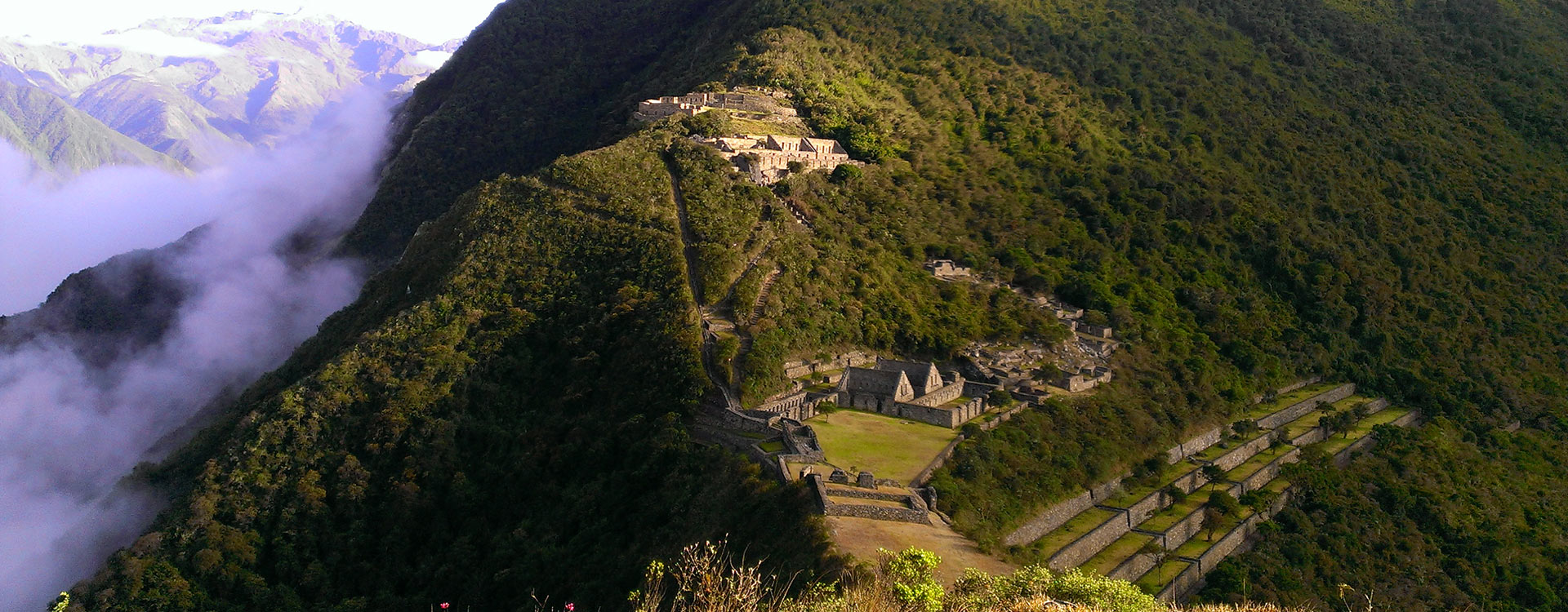
Nestled in the majestic mountains of the Peruvian Andes, Choquequirao emerges as an archaeological gem that rivals the renowned citadel of Machu Picchu. This archaeological site, often called the "sacred sister" of Machu Picchu, remains largely unknown to many, offering adventurers the opportunity to discover its hidden treasures. In this article, we will explore the fascinating history of Choquequirao and provide essential information for those who wish to embark on the adventure of discovering this archaeological treasure.
Table of contents
Choquequirao: Beyond the Mountains
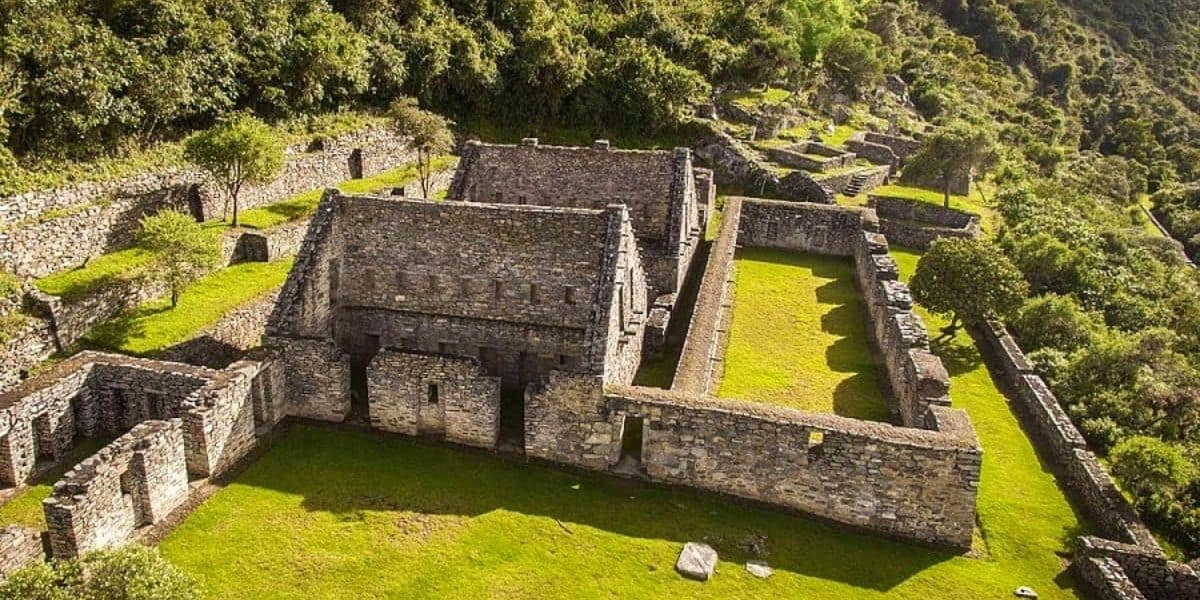
Many visitors wonder where Choquequirao is located? Choquequirao is strategically located on the top of a mountain, on the banks of the Apurimac River. Its Quechua name translates as "cradle of gold", and the citadel stands out not only for its impressive Inca architecture, but also for its breathtaking natural setting. Surrounded by lush vegetation and panoramic views of the surrounding mountains, the experience of reaching Choquequirao is as memorable as the city itself.
The Road Less Traveled
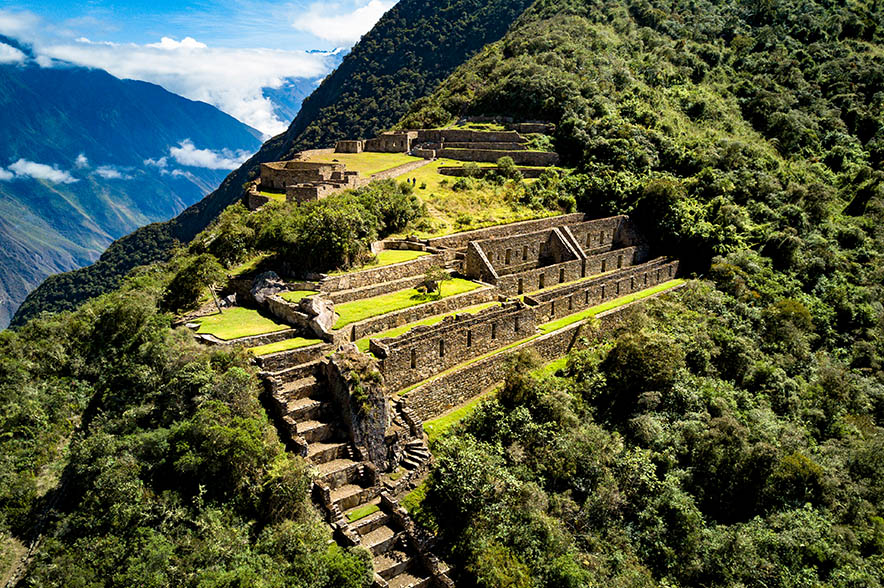
Although Machu Picchu is world famous and receives millions of visitors each year, Choquequirao has maintained a lower profile. This archaeological gem is accessible only by a challenging hike, ensuring a more intimate and authentic experience for those willing to venture out. The trekking route to Choquequirao offers the opportunity to immerse yourself in nature, cross hanging bridges and explore ancient Inca trails.
How to get to Choquequirao
For intrepid travelers wishing to discover Choquequirao, the common starting point is the village of Cachora. From here, the hike winds through breathtaking scenery for approximately 32 kilometers before reaching the citadel. The challenging route ensures that only the most committed adventurers enjoy the wonder of Choquequirao, adding a special touch to the experience.
Here is a basic guide on how to get to Choquequirao from Cusco, which is the common starting point:
From Cusco to Cachora:
The first step is to reach the village of Cachora, which serves as the starting point for the hike to Choquequirao.
- By Bus: You can take a bus from Cusco to the town of Cachora. Travel time is approximately 4 to 5 hours, depending on road conditions.
Cachora to Choquequirao:
From Cachora, you will begin the trek to Choquequirao. There are two main options to reach the citadel:
- Independent Trekking: You can do the trek independently if you have hiking experience. The route is challenging but rewarding, and it takes about two days to reach Choquequirao from Cachora.
- With Tour Guide: Many visitors choose to hire a local tour guide and muleteers to carry equipment. The guides not only provide valuable information about the history and culture, but also know the route well and can provide assistance if needed.
Pacucha, Andahuaylas to Cachora:
You must first arrive in the city of Abancay and then take transportation to the town of Cachora.
Important Considerations:
- Permits: Make sure you obtain the necessary permits to enter Choquequirao. These can be purchased in Cusco or in Cachora before starting the trek.
- Equipment: Bring appropriate clothing and equipment for trekking, including sturdy boots, waterproof clothing, sunscreen, insect repellent and a comfortable backpack.
- Acclimatization: Since Cusco is at a considerable altitude, it is advisable to spend a few days acclimatizing before starting the trek.
Practical Tips for Travelers
- Physical Preparation: Given the challenging nature of the trek, it is essential to be in good physical shape. Physical conditioning exercises are recommended prior to the trip.
- Suitable Equipment: The weather in the mountains can be unpredictable, with sudden changes in temperature. Pack comfortable clothing suitable for hiking, as well as sun protection and insect repellent.
- Permits and Guides: Be sure to obtain the necessary permits to visit Choquequirao and consider hiring a local guide. In addition to enriching your experience with historical and cultural information, guides know the route well and ensure a safer trip.
Discover the Magic of Choquequirao
In conclusion, Choquequirao offers travelers an authentic and unique experience. The combination of its rich Inca history, stunning location and the adventure required to reach it, make this archaeological site a hidden gem that deserves to be discovered. By opting for the less traveled route, explorers have the opportunity to connect more deeply with history and nature, creating indelible memories in the heart of the Peruvian Andes. Get ready to immerse yourself in the magic of Choquequirao!
Some frequently asked questions from visitors
Where is Choquequirao?
Choquequirao is located in the southern Andes of Peru, in the Apurimac region. It is located in the province of La Convención, on the border between the regions of Cusco and Apurimac. The citadel is on top of a mountain on the right bank of the Apurimac River.
To reach Choquequirao, one generally departs from Cusco, the ancient capital of the Inca Empire. From Cusco, travelers head northwest to the village of Cachora, which serves as a common starting point for the hike to Choquequirao. The hike from Cachora to Choquequirao offers breathtaking scenery and the opportunity to immerse oneself in Inca history.
What is the height of Choquequirao?
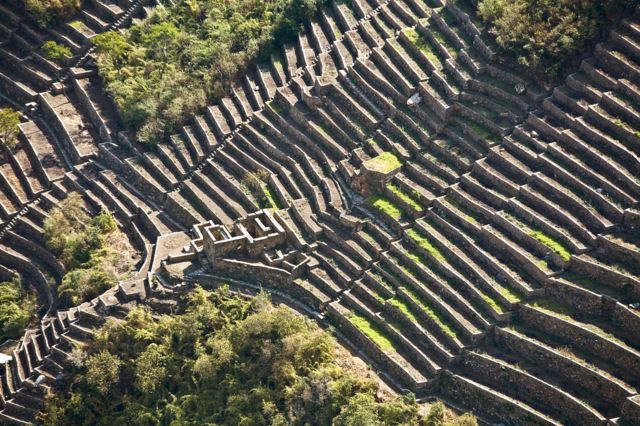
The Choquequirao citadel is located at an altitude of approximately 3,050 meters above sea level (approximately 10,010 feet). This altitude may vary slightly in different areas of the citadel, as it is built on terraces on top of a mountain in the Apurimac region of the southern Andes of Peru. It is important to take altitude into account when planning a visit to Choquequirao, as some people may experience symptoms of altitude sickness. It is recommended to take the necessary time to acclimatize before undertaking the trek to Choquequirao, especially if arriving from places at lower altitudes, such as the city of Cusco.
How to make the Choquequirao trek?
Trekking Choquequirao is an exciting adventure that generally takes at least four days, depending on your starting point and the time you wish to spend exploring the citadel. Here is a basic guide to trekking Choquequirao:
1. Preparations:
- Permits: Be sure to obtain the necessary permits to enter Choquequirao. These permits can be obtained in Cusco or in Cachora, the common starting point.
- Equipment: Pack appropriate clothing and equipment for trekking, including sturdy boots, waterproof clothing, sunscreen, insect repellent, a comfortable backpack and a flashlight.
- Acclimatization: Spend at least a couple of days acclimatizing to the altitude, especially if you arrive in Cusco from lower altitudes.
2. Common Route from Cachora:
- Day 1: Cusco to Cachora and Capuliyoc: From Cusco, take a bus to Cachora. From there, begin the hike to Capuliyoc, where the descent into the Apurimac River canyon begins. The first day usually involves descending to Rosalina beach.
- Day 2: Playa Rosalina to Choquequirao: Cross the bridge over the Apurimac River and begin the steep climb to Choquequirao. This day is demanding, but you will be rewarded with the first views of the citadel.
- Day 3: Choquequirao exploration: Dedicate a full day to explore Choquequirao and its surroundings. The citadel is extensive and has several areas to discover, such as terraces, plazas and ceremonial structures.
- Day 4: Return to Cachora: Return by the same route to Cachora. This day can be challenging due to the steep slopes.
3. Other Routes:
- Via Yanama: Some travelers opt for a shorter, less traveled route starting in Yanama. This involves taking a flight to Yanama and then a shorter hike to Choquequirao.
4. Additional Considerations:
- Guide and Muleteers: Although it is possible to hike independently, many choose to hire a local tour guide and muleteers to carry equipment. The guides provide valuable information and the muleteers facilitate the transport of cargo.
- Weather Conditions: Weather conditions may vary, especially during the rainy season. Be prepared for changes in weather and make sure you have waterproof gear.
- Physical Condition: The hike to Choquequirao is challenging, so it is important to be in good physical shape. Training before the trip can make the experience more enjoyable.
Remember that information can change, so it is always advisable to check current conditions and get the latest information before embarking on the Choquequirao trek. Good luck on your adventure!
When was Choquequirao discovered?
Few are the documents dedicated to Choquequirao, however there are some ancient texts that refer to it. We mention some of them:
Written in the XVI century, Francisco Pizarro grants his brother the entire Choquequirao region.
Text of 1618 by Meza Bazán where he mentions Choquequirao as an Inca fortress at the foot of great snow-capped mountains and next to the great Apurímac River.
| Researchers | Year | Features | |
|---|---|---|---|
| Juan Ariaz Díaz Topete (Peruvian explorer) |
1710 | He was the first to mention the existence of a city called Chogekiraw. | |
| Cosme Bueno (Principal Cosmographer of the Kingdom of Peru) |
1768 | On behalf of the Viceroy, the Marquis of Villagarcía, made a description of the provinces of the Bishopric of Cuzco. He reported on the existence of an ancient town called Choque-quirao. | |
| Pablo José Oricain (Peruvian explorer) |
1790 | He mentions the site of Chogequirau in his Compendido breve de discursos varios sobre diferentes materias y noticias geográficas comprehensivas a este bishopric of Cuzco, as depopulated by the pagans. |
| José María Tejada (Prefect of Cuzco) |
1834 | Attracted by the legend of the existence of the hidden treasures of Vilcabamba, he traveled to Choquequirao. | |
|---|---|---|---|
| Léonce Angrand (Vice Consul of France in Lima) |
1847 | He visited the site and described the ushnu, the main square and the Kallankas. | |
| José B. Samanez Occampo (Peruvian Architect) |
1864 | He claims to have spent five months at the site. | |
| Emile Colpaert (French Cosmographer) |
1865 | He made a map of the department of Cuzco where Choqequirao appears. |
In the 20th century, Choquequirao was rediscovered by the American explorer and traveler Hiram Bingham, who was also responsible for introducing the world to the famous Inca citadel of Machu Picchu. Bingham led the expedition that led to the rediscovery of Choquequirao in 1909.
Bingham's expedition focused on exploring the Vilcabamba region, an area known to be the last bastion of Inca resistance against the Spanish conquistadors. It was during this exploration that Bingham and his team arrived at Choquequirao and documented the site. Although Bingham is best known for Machu Picchu, Choquequirao was also a significant find in Inca archaeology.
Despite its historical and archaeological importance, Choquequirao has remained largely in the shadow of Machu Picchu's popularity and has been less visited by tourists, giving it a more remote and less crowded charm.
What is the map of Choquequirao?
We share a map to have a better reference of the location.
Why we should visit Choquequirao
To visit Choquequirao is to immerse yourself in a unique journey that offers an authentic archaeological experience in the middle of the majestic Vilcabamba mountain range. This "Inca jewel" holds historical secrets in its imposing terraces and well-preserved temples, challenging visitors with an adventurous hike that culminates in breathtaking panoramic views. Unlike other tourist destinations in Cusco, ChoquequiraoChoquequirao provides a serene and tranquil environment, allowing travelers to connect with the spiritual essence of Inca culture in a less crowded setting. The unique experience it offers, combining archaeological richness, natural beauty and cultural connection, makes Choquequirao an unforgettable destination for those seeking to explore the hidden wonders of the Peruvian Andes.

